Vision Agent
Diagnose before dispatching a technician.
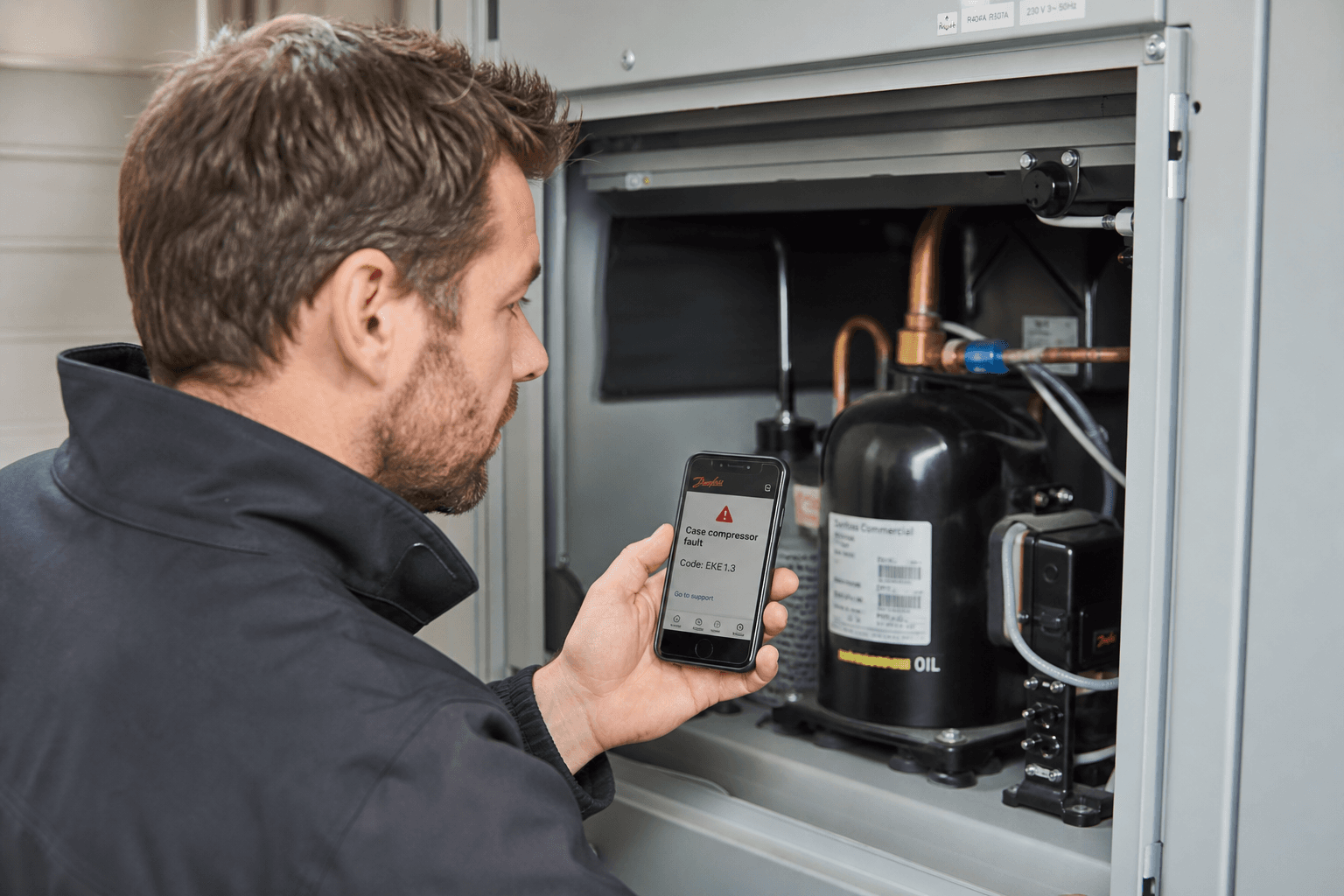
A technician photographs the equipment on site. Vision Agent reads the photo and the ticket, gathers the product context, and prepares the decision. Your service team keeps the final call.
The sequence
From field ticket to decision.
Four steps, in the order of service work. Each one stays readable and open to review by the team.
The field documents
The ticket brings the product reference, the symptoms, and a photo, without forcing a new tool on the customer.
Vision Agent identifies
The reference and visual evidence point to the right product line, its documentation, and its available history.
The agent prepares
Likely cause, checks to run, plausible parts, and open uncertainties are gathered into one short recommendation.
The team decides
The team accepts, corrects, or rejects the recommendation before any resolution, shipment, dispatch, or escalation.
The decision boundary
Vision Agent prepares. Your team decides.
The agent never rules. It hands over a short recommendation tied to the product and the ticket evidence.
What the agent prepares
- Likely cause
- Discharge valve fault, to be confirmed with two targeted checks.
- Checks before dispatch
- Record pressure, verify error code EKE 1.3, and confirm the sound during restart.
- Parts to review
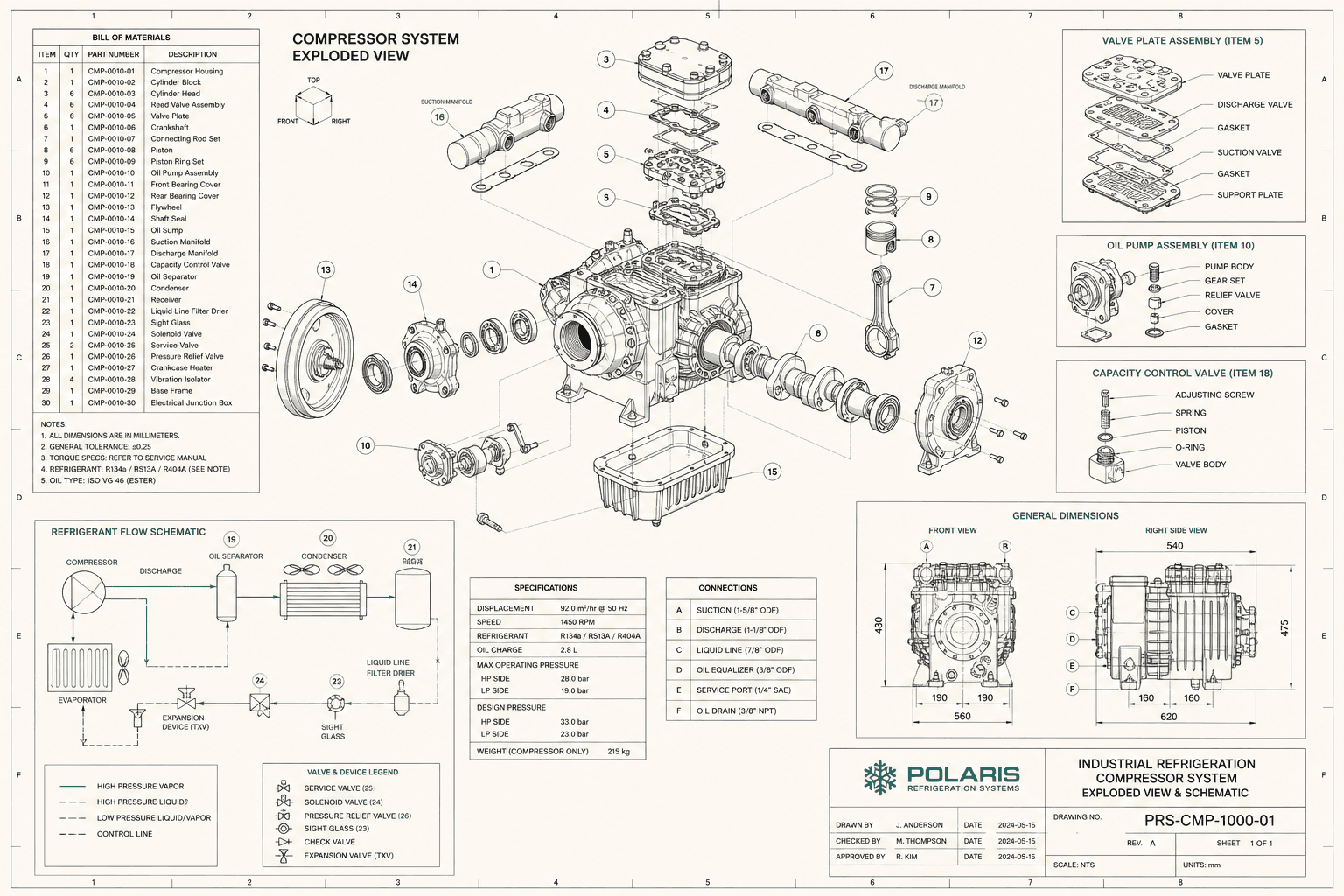
- Valve kit CMP-010-04 and matching gasket, subject to service team approval.
- Next action
- Run the checks remotely. Prepare a visit if both signals agree.
What your team decides
- Resolve remotely when nobody needs to travel.
- Ship the parts with the checks to validate.
- Send the technician with a likely cause and the right parts.
- Escalate uncertain cases to the expert, evidence attached.
Company Brain
The agent reads your sources, not an abstract base.
Vision Agent relies on the product graph, one structured part of the Company Brain. It does not assume every source is already connected.
- Product identifiers and serial numbers
- Technical manuals
- Diagnostic and service procedures
- Failure history
- Parts history
- Intervention history
- Previously validated expert decisions
Each decision your team validates sharpens this graph for future tickets.
Test it in the field
Test Vision Agent on a real ticket.
Send a product reference, the observed symptoms, and a redacted photo. We will reply with the recommendation Vision Agent would prepare.
For manufacturers that service their own equipment — commercial refrigeration, compressors, ice machines, ovens, hospitality equipment. The pilot starts from one product line and real tickets, in your tools.
Remove any unnecessary customer-identifying information from the photo and message.